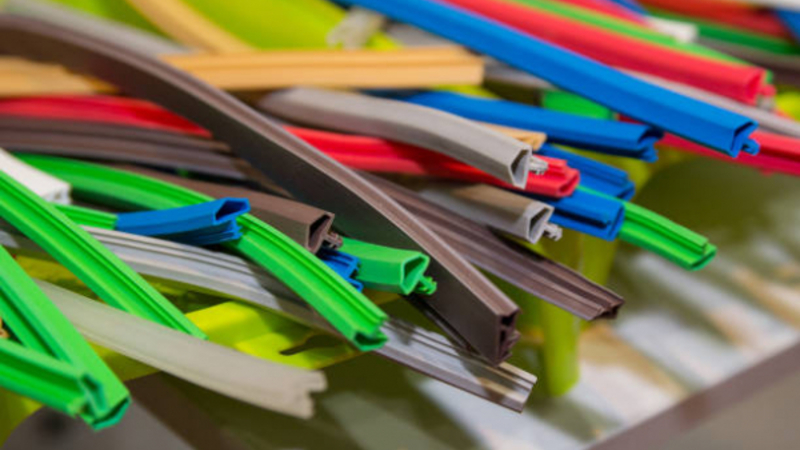
In the competitive landscape of product development, manufacturers are constantly seeking innovative approaches to enhance their offerings and streamline their processes. One such method that has proven to be highly effective is Custom Extrusion. This technique not only offers versatility in the creation of complex profiles but also ensures efficiency in production and material usage.
What is Custom Extrusion?
Custom extrusion is a process where materials such as plastics, metals, or rubber are forced through a die to create objects with a fixed cross-sectional profile. This method allows for the production of a wide range of shapes and sizes, tailored specifically to meet the unique requirements of various industries. The custom nature of the process means that designers can work closely with manufacturers to develop components that are perfectly suited to their specific applications.
Benefits of Custom Extrusion in Product Development
• Design Flexibility: Custom extrusion offers unparalleled design flexibility, enabling the creation of complex shapes that might be difficult or impossible to achieve with other manufacturing processes.
• Cost Efficiency: By producing continuous lengths of a profile, extrusion can be more economical, particularly for high-volume production runs.
• Material Diversity: This process can handle a variety of materials, including different types of plastics, aluminum, and rubber, making it applicable across a broad spectrum of industries.
• Consistency and Quality: The extrusion process ensures that each section of the extruded profile is uniform, leading to high-quality products with consistent properties throughout.
• Speed to Market: Faster production cycles mean that products can be developed and launched more quickly than with some other manufacturing methods.
Considerations for Implementing Custom Extrusion
• Tooling and Setup Costs: Initial costs can be significant due to the need for custom dies and setup. However, these costs are often offset by the savings and efficiency in high-volume production.
• Material Selection: Choosing the right material for the extrusion process is crucial, as different materials behave differently under stress and heat.
• Design Specifications: To avoid complications during extrusion, detailed and precise design specifications are necessary. Close collaboration between the designer and the extruder is essential.
Relevance to the Audience
For engineers, designers, and manufacturers, understanding and utilizing custom extrusion can lead to significant advancements in product development. Whether it’s creating a new component for the automotive industry, developing a novel packaging solution, or enhancing construction materials, custom extrusion provides a pathway to innovation and efficiency.
Conclusion
Custom extrusion represents a key technology in modern manufacturing, offering significant advantages in terms of design flexibility, cost efficiency, and speed to market. By carefully considering the initial investments, material choices, and design specifics, companies can harness the full potential of this process to create superior products and maintain a competitive edge. As industries continue to evolve, custom extrusion stands out as a vital tool in the product development arsenal, enabling precise customization and high-quality production.